

7 Best Raw Honeys for Cooking in 2026
Editorial TeamLast Updated: November 9, 2026
Quick Summary
The best raw honey for cooking is Moon's Gold Raw Wildflower Honey, a liquid, pourable jar harvested in Dutchess County and never heated above 110°F. At $6.00 for 12 ounces, it is the lowest-priced honey in the range and suits baking, drinks, and drizzling. Choose Tupelo for sauces and Greek Wild Thyme for coffee and tea.
- Substitute honey for sugar at roughly three-quarters by volume, and reduce other liquids by about 1/4 cup per cup of honey.
- Lower the oven temperature by 25°F and check baked goods 5 to 10 minutes earlier because honey browns faster.
- For marinades, use about 1 tablespoon of honey per pound of meat to balance salt and acid.
- Honey scorches quickly above 350°F, so brush glazes on in the final minutes of cooking.
- Crystallized honey can be gently re-liquefied by setting the jar in warm water and stirring.
Table of Contents
- 7 Best Raw Honeys for Cooking in 2026
- Quick Comparison: Raw Honey at a Glance
- 1. Moon's Gold Raw Wildflower Honey: Best Everyday Cooking Honey
- 2. Tupelo Honey: Best for Sauces and Marinades
- 3. Organic Greek Wild Thyme Honey: Best for Coffee and Tea
- 4. Provence Lavender Honey: Best for Cheese and Fruit Pairings
- How to Choose Pure Raw Honey for Cooking
- Raw Honey for Baking and Cooking With Heat
- Best Raw Honey for Cooking Chicken
- Frequently Asked Questions
7 Best Raw Honeys for Cooking in 2026
Most shoppers assume "raw" on a label means unprocessed. In practice, the term has no regulated definition, which is why Serious Eats' honey buying guide recommends buying from a small beekeeper you can question directly. At Moons Gold Apiary LLC, we keep our hives in the Hudson Valley and warm our honey to no more than 110°F, so the jar that reaches your kitchen still tastes like the season it came from. Below, we break down the best raw honey for cooking by how each one actually behaves in heat, in marinades, and in a mug of tea.
Quick Picks:
- Best Overall: Moon's Gold Raw Wildflower Honey, balanced and pourable for everyday cooking
- Best for Sauces: Tupelo Honey, mild enough to reduce without turning bitter
- Best for Coffee and Tea: Organic Greek Wild Thyme Honey, spreadable and aromatic
Quick Comparison: Raw Honey at a Glance
Raw honey is generally not pasteurized or fine-filtered, so it keeps more of its natural pollen, aroma, and tendency to crystallize. That matters in the kitchen: unfiltered honey carries more floral character, and its thicker body changes how it pours, dissolves, and browns.
| Honey | Price | Texture | Best For |
|---|---|---|---|
| Moon's Gold Raw Wildflower | $6.00 | Liquid, pourable | Everyday cooking and baking |
| Tupelo | $20.95 | Spreadable and liquid | Sauces and marinades |
| Greek Wild Thyme | $49.95 | Spreadable | Coffee and tea |
| Provence Lavender | $29.95 | Runny | Cheese and fruit pairings |
| Scottish Heather | $29.95 | Thick, jelly-like | Strong-flavored pairings |
| Chunk Comb | $45.00 | Comb in liquid honey | Biscuits and cheese boards |
| Comb Round | $24.65 | Chewy comb | Toast and yogurt |
Price
If you want the deeper wellness angle before you commit, our guide to raw wildflower honey for natural wellness covers how people use it day to day.
1. Moon's Gold Raw Wildflower Honey: Best Everyday Cooking Honey
Our top pick for most kitchens is the jar we make ourselves. This raw wildflower honey is liquid and pourable, harvested in Dutchess County and never heated above 110°F. It stirs into coffee or tea, can be used in baking, and can be drizzled over yogurt or fruit.
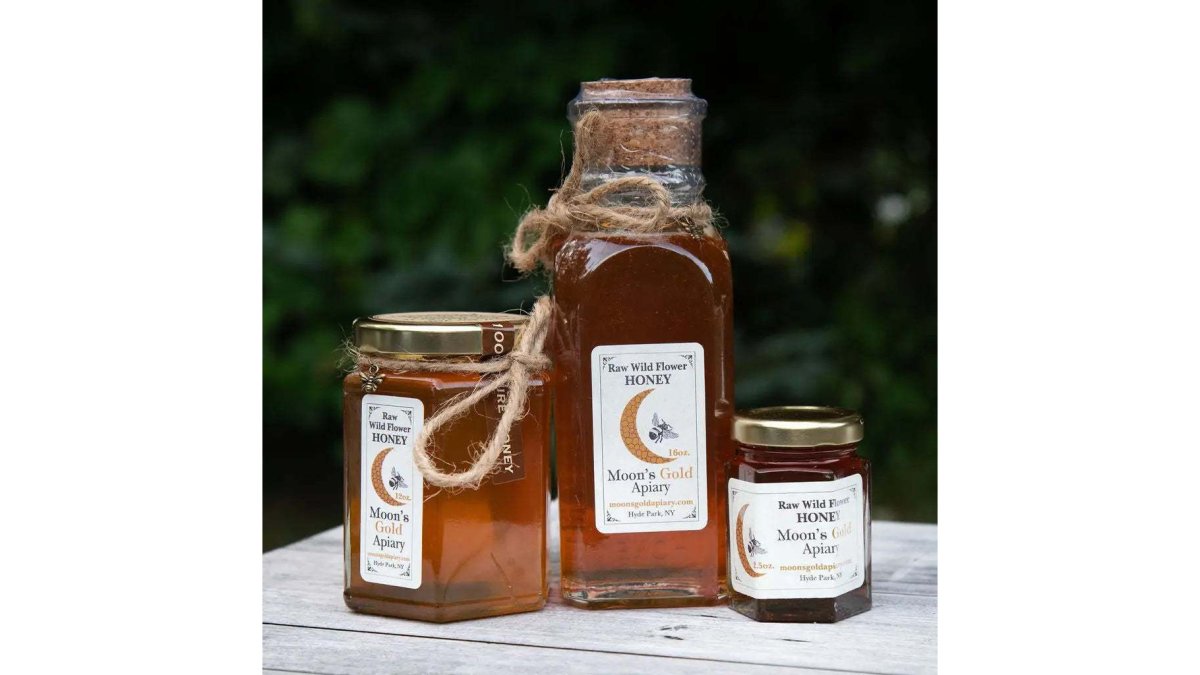
Wildflower honey reflects the seasonal wildflower nectar available in the region, so each batch can vary. At $6.00 for 12 ounces, it is the lowest-priced honey in our current range.
Best for: home cooks who want one jar for baking, drinks, and drizzling. Skip if: you need a strongly perfumed honey for a specific pairing.
2. Tupelo Honey: Best for Sauces and Marinades
Tupelo honey is raw and unpasteurized, Grade A, and made from white tupelo blossoms in the Florida and Georgia river systems. Its spreadable and liquid forms suit specialty, tea, cheese, and dip uses.
Best for: sauces, marinades, and glazes where you want sweetness in the background. Skip if: you want a honey that stands up as the star of the plate.
Shop Tupelo Honey for your next batch of marinade.

3. Organic Greek Wild Thyme Honey: Best for Coffee and Tea
This single-source Greek jar is raw, unfiltered, cold-pressed, and unpasteurized, with a spreadable texture.
It can be enjoyed directly off the spoon, added to coffee or tea, served on toast, stirred into oatmeal, or blended into smoothies. At $49.95 for 450 g, it is our premium single-source thyme honey.
Best for: coffee, tea, and breakfast use where aroma matters. Skip if: you are baking in volume and want a neutral sweetener.
Explore the Organic Greek Wild Thyme Honey if you want that herbal character in your morning cup.

4. Provence Lavender Honey: Best for Cheese and Fruit Pairings
Lavender honey is a finishing honey, not a cooking honey. This French single-origin jar is raw and unpasteurized, runny, and opaque golden, with a gentle lavender flavor and a delicate floral background taste. It can be served with cheese, fruit, berries, or toast.
Because it is runny, it can be drizzled over a cheese board.
Best for: cheese boards, fruit, and drizzling at the table. Skip if: you need a honey for baking or hot sauces.
Order Provence Lavender Honey for your next cheese course.

How to Choose Pure Raw Honey for Cooking
Choosing pure raw honey for cooking comes down to four checks: texture, floral source, processing claim, and producer transparency. Because "raw" has no regulated definition, you need a repeatable way to compare jars, here is the framework we use at Moons Gold Apiary.
1. Read the processing claim carefully. Look for "unpasteurized" and a stated maximum temperature, not just "raw." If no temperature is stated, ask the producer directly how the honey was handled.
2. Match texture to task. Liquid honey pours and stirs easily, suiting drinks and recipes where honey is poured or stirred in. Spreadable honey suits toast and some specialty uses.
3. Check the floral source. Single-origin honeys (tupelo, thyme, lavender, heather) taste specific and behave predictably in recipes. Wildflower blends shift batch to batch, fine for everyday cooking, but harder to replicate.
4. Buy from a named producer. A producer that can tell you where the hives sit can answer questions about the honey's origin.
**6.
7. Consider crystallization as a normal characteristic. Crystallized honey can be gently re-liquefied by setting the jar in warm water and stirring.
Raw Honey for Baking and Cooking With Heat
Raw honey behaves differently from filtered grocery-store honey when heated: it browns faster, carries more floral flavor, and holds moisture well in cakes and quick breads. The biggest variable is the honey variety itself.
Variety-by-variety behavior under heat:
- Wildflower honey: Ours is liquid and pourable, suited to recipes and servings where honey is poured or stirred in.
- Tupelo honey: Grade A, raw and unpasteurized, available in spreadable and liquid forms.
- Thyme honey: Spreadable, single-source Greek honey that can be stirred into tea or blended into smoothies.
- Lavender honey: Runny honey with a gentle lavender flavor, suited to cheese, fruit, berries, and toast.
- Heather honey: Clear, thick, strong-flavored honey from Argyll, Scotland.
Substitution ratios and recipe adjustments. Substitute honey for sugar at roughly three-quarters by volume (1 cup sugar = 3/4 cup honey). Because honey is about 17% water, reduce other liquids by about 1/4 cup per cup of honey. Honey browns faster, so lower the oven temperature by 25°F and check baked goods 5 to 10 minutes earlier. For sauces, start with 1 tablespoon honey per cup of liquid; sweetness intensifies as a sauce reduces.
Practical guidance for sauces and marinades. Whisk honey with an acid (vinegar or citrus), salt, and aromatics off the heat, then brush it on near the end of cooking so the sugars caramelize instead of scorching.
Practical guidance for baking. Honey keeps cakes and quick breads moist longer than sugar and promotes browning, so reduce the oven temperature slightly and monitor closely. For cookies, honey makes dough stickier, chill it before shaping. For breads, honey feeds yeast, so reduce added sugar if the recipe already contains honey.
Watch out: honey scorches quickly above 350°F, so keep glazes and marinades away from direct high heat and brush them on in the final minutes.
Best Raw Honey for Cooking Chicken
For chicken, pick a mild honey that will not overpower the meat. Tupelo is our first choice for marinades, and wildflower works well in a simple glaze. Whisk honey with an acid, salt, and garlic, marinate for at least an hour, and brush more on in the final minutes so the sugars glaze rather than burn.
Frequently Asked Questions
What is the best honey to use in cooking?
The best raw honey for cooking depends on the dish. A mild liquid wildflower honey works for baking, glazes, and everyday recipes because it blends evenly and does not overpower other ingredients. Scottish heather honey is a clear, thick, strong-flavored option, and tupelo honey is available in spreadable and liquid forms. Match the honey's flavor strength to the dish rather than buying one jar for everything.
Is raw honey good for cooking and baking?
Yes. Raw honey works in baking, sauces, marinades, and hot drinks. For tea or coffee, stir it in once the drink has cooled slightly to keep more of what you paid for.
How do I choose pure raw honey for cooking?
Look for a single floral source, a named producer, and processing details on the label. The word raw has no regulated definition, so a jar labeled raw may still have been heated or filtered. Ask the seller how the honey was warmed and strained. Moon's Gold Raw Wildflower Honey, for example, is never heated above 110°F and lists its Dutchess County, New York origin.
What is the best raw honey for cooking chicken?
A spreadable or liquid raw honey with moderate sweetness works best for chicken. Tupelo honey is available in spreadable and liquid forms. Wildflower honey is a liquid, pourable option. Add honey near the end of cooking or in the marinade rather than at high heat, since sugar burns quickly on a hot pan or grill.
Does the flavor of honey change when heated?
Lavender honey has a gentle lavender flavor, and Scottish heather honey is a clear, thick, strong-flavored option. If the honey's flavor is the point of the dish, add it off the heat or as a finishing drizzle rather than cooking it through.
