

Which Natural Skincare Is Best for Sensitive Faces?
Editorial TeamQuick Summary
The best natural skincare for sensitive faces has a short ingredient list, few fragrance or essential oil additives, and supports the skin barrier, since natural does not automatically mean gentle. Keep the routine small, with a mild cleanser, a moisturizer and morning sunscreen, and patch-test each new product before using it on your face.
- A 2021 randomized study suggests a consistent routine with a mild cleanser and moisturizer can help dry skin.
- Count fragrance terms like "fragrance," "parfum" and named essential oils if you react easily.
- Watch for allergens such as linalool, limonene, citral, eugenol and geraniol by name.
- Patch-test one new product on the inner forearm or behind the ear for three to five days.
- Stop any product that causes persistent redness, burning, bumps or swelling, and do not restart it.
Table of Contents
- What Makes Natural Skincare Gentle on Sensitive Faces
- Natural Ingredients for Sensitive Skin: What to Look For and What to Avoid
- Our Picks: Moon's Gold Products for Sensitive Faces
- Building a Sensitive Skin Skincare Routine and Patch-Testing Safely
- Frequently Asked Questions
What Makes Natural Skincare Gentle on Sensitive Faces
Last Updated: November 10, 2026
Natural skincare is not automatically gentle. A product can be made from plant-based or organic ingredients and still irritate reddened, dry or reactive skin. Still, a 2021 randomized study of a consistent skincare regimen in people with moderate to severe dry skin suggests that a simple, consistent routine with a mild cleanser and moisturizer can help.
Gentleness usually comes from a short ingredient list, few fragrance or essential oil additives, and a formula that supports the skin barrier. At Moon's Gold Apiary LLC, our skin-care products are made with beeswax, olive oil, coconut oil and simple soaps.
Natural Ingredients for Sensitive Skin: What to Look For and What to Avoid
"Natural" describes an ingredient's origin, not its irritation risk. Plant-derived ingredients are still chemicals, and many botanical extracts are known contact allergens. Learn about raw wildflower honey's natural wellness uses and simple ways to enjoy it every day.
Irritant reactions damage the skin surface, often from acids, alcohols or strong surfactants, and cause quick stinging or burning. Allergic contact dermatitis is an immune response that can take a day or more to appear, typically as an itchy, red, sometimes weepy patch. Both can occur with natural formulas and need different responses.
Several botanical and fragrance-related ingredients often appear on dermatology allergen lists, including fragrance mixes, linalool and limonene (listed as allergens under EU labeling rules), and extracts such as tea tree, citrus peel and some plant resins.
When reading an ingredient list, use these checks:
- Count the fragrance terms. "Fragrance," "parfum," and any named essential oil all count as scent. If you react easily, choose products listing none.
- Look for allergens by name. Linalool, limonene, citral, eugenol and geraniol are most often flagged in patch-test panels.
- Watch the order. Ingredients are listed from highest to lowest concentration, though sensitive skin can still react to a botanical present in small amounts.
- Separate marketing from function. "Soothing" and "calming" are not standardized terms, and a plant's long history of use does not establish that it is safe for your skin.
Coconut oil can clog pores on some faces, and anyone with a tree-nut or plant allergy should review the full list.
Watch out: a product labeled "unscented" can still contain masking fragrance ingredients, so read the label itself.
The article flags several botanical and fragrance-related ingredients that often appear on allergen lists, which are summarised below.
| Ingredient | Why it matters | Note |
|---|---|---|
| Linalool | Often flagged in patch-test panels | Listed as an allergen under EU labeling rules |
| Limonene | Often flagged in patch-test panels | Listed as an allergen under EU labeling rules |
| Citral | Often flagged in patch-test panels | Check the full ingredient list |
| Eugenol | Often flagged in patch-test panels | Check the full ingredient list |
| Geraniol | Often flagged in patch-test panels | Check the full ingredient list |
| Fragrance terms | "Fragrance," "parfum," named essential oils | Count them if you react easily |
| Coconut oil | Can clog pores on some faces | Review the list if you have a plant or tree-nut allergy |
Our Picks: Moon's Gold Products for Sensitive Faces
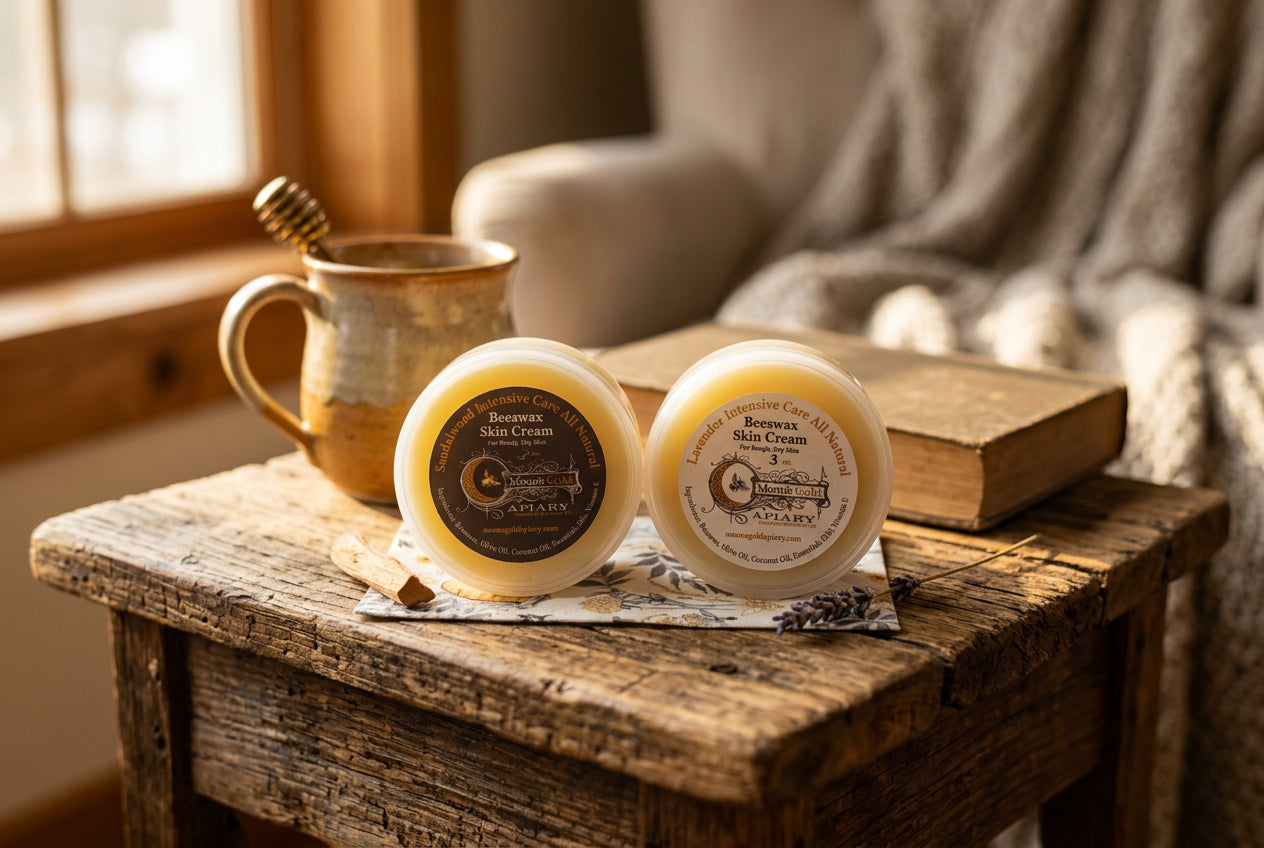
The MOON'S GOLD NATURAL INTENSIVE-CARE SKIN CREAMS, made with beeswax, olive oil, coconut oil and Vitamin E, in Lavender or Sandalwood, are listed as suitable for sensitive and dry skin, at $13.88 for 3 ounces.
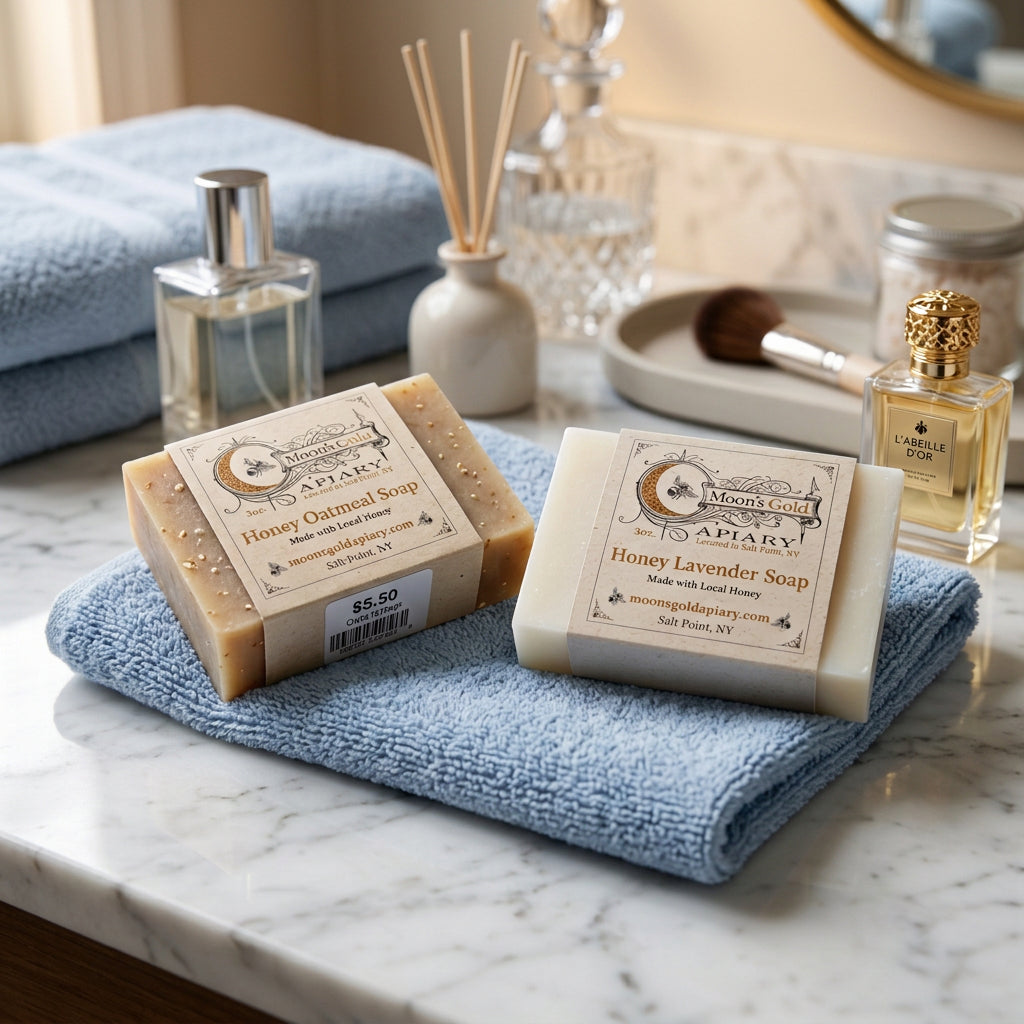
For gentle cleansing, our cold-processed soaps use organic, natural ingredients and no synthetic fragrances. The Honey Oatmeal bar, $6.50 for 3 ounces, is described for dry or irritated skin.
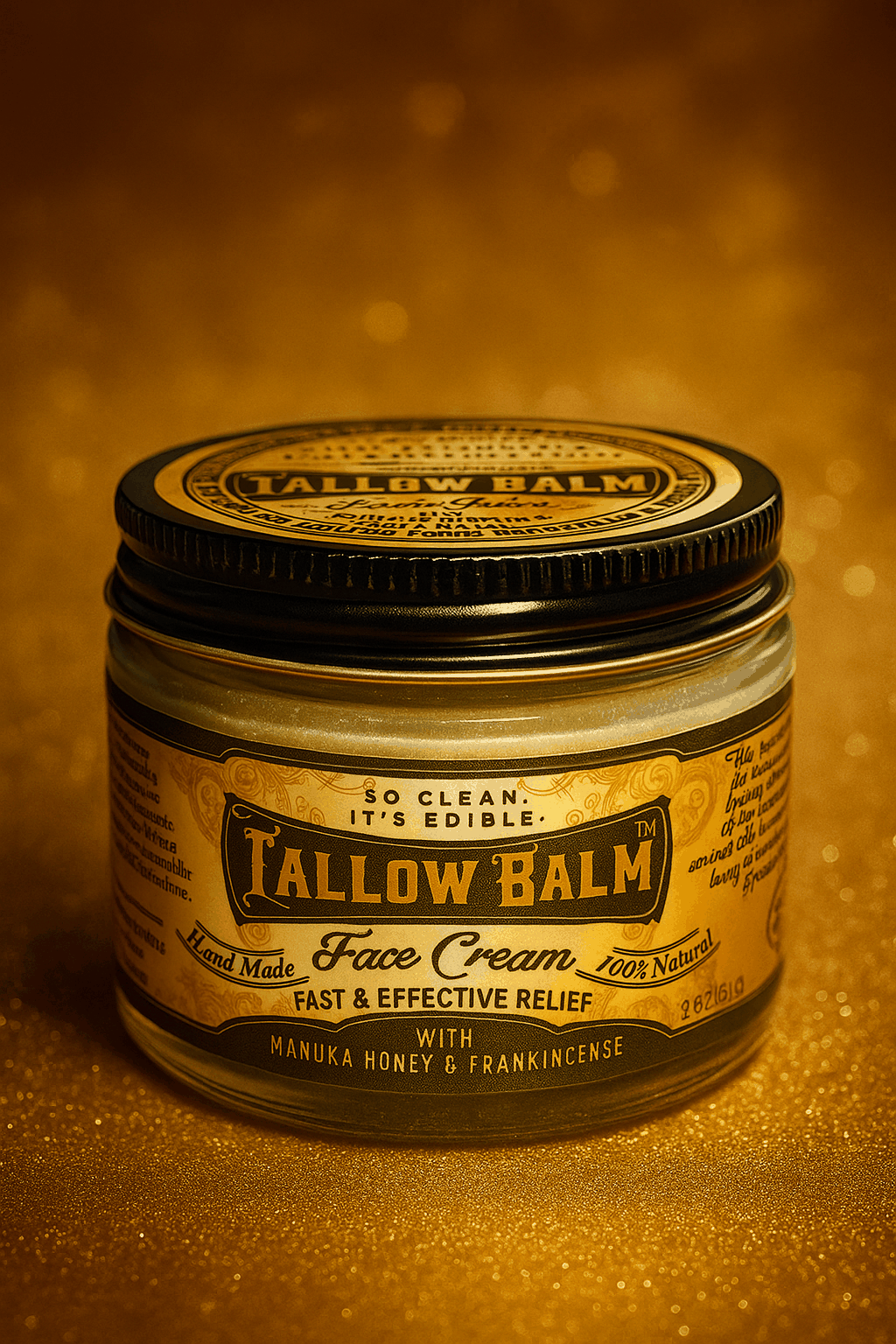
The Tallow Face Cream with Manuka Honey at $32.00 blends grass-fed tallow, raw Manuka honey, castor oil and beeswax.
Best for: people who want simple, beeswax-based products for everyday use. Note: the Lavender and Sandalwood creams contain essential oils.
Building a Sensitive Skin Skincare Routine and Patch-Testing Safely
Most sensitive-skin routines have three steps: a gentle cleanser, a moisturizer, and morning sunscreen. Each added product is another possible irritant, so keep the list small and introduce changes deliberately.

Introduce one product at a time:
- Start with a trusted cleanser or moisturizer and use it for one to two weeks before changing anything else.
- Patch-test the next product on a discrete area such as the inner forearm or behind the ear, once or twice daily for three to five days.
- Move to the face only if the patch stays clear, starting with a pea-sized amount on one side of the face for several days.
- Add the next product only once the previous one is settled, so any reaction traces to a single change.
Persistent redness, burning, raised bumps, hives, swelling or blistering mean stop. Itching that spreads or appears a day or more later can suggest allergic contact dermatitis.
When you stop a product, do not restart it to "see if it passes." Discontinue it, return to the simpler routine, and let the skin recover using plain fragrance-free moisturizer.
Seek professional care if symptoms persist, spread across the body, involve the eyes or lips, are painful or oozing, or show signs of infection. A dermatologist can perform patch testing with standardized allergen panels.
Watch out: starting several new products in one week makes it nearly impossible to identify the cause of a reaction.
Frequently Asked Questions
What can I use on my face if I have sensitive skin?
Start with a short list of gentle products: a fragrance-free or lightly scented cleanser, a simple moisturizer with few ingredients, and a daily sunscreen. Among the Moon's Gold options, the Natural Intensive-Care Skin Cream ($13.88) is made with beeswax, olive oil, coconut oil, Vitamin E and essential oil, and is listed as suitable for sensitive and dry skin. The Lavender Cold-Processed Soap ($6.50) is a gentle daily cleanser listed for all skin types, including sensitive skin. Introduce one new product at a time so any reaction is easier to trace.
Can natural skincare products irritate sensitive skin?
Yes. Natural does not automatically mean non-irritating. Plant extracts, essential oils and some botanical ingredients can trigger contact reactions in some people. Simple, consistent routines often matter more than the label, and claims alone do not guarantee gentleness. Read ingredient lists and test new products before using them daily.
How do I patch-test a new facial skincare product?
Apply a small amount to a discreet area such as the inside of the forearm or behind the ear once a day for several days, and watch for redness, itching, stinging or bumps. If nothing develops after several days, you can try it on a small part of the face, such as along the jawline, before using it more widely. Stop immediately if irritation appears. For products with essential oils, such as the Lavender cream, patch testing is especially worthwhile.
